
Capacity Builds Reputation, Scale Drives Success
J&V Technology produces 20M sets/year of core kitchen-appliance components for global clients. Our integrated production, QC, warehousing and logistics ensure reliable quality and stable supply for orders of all sizes.
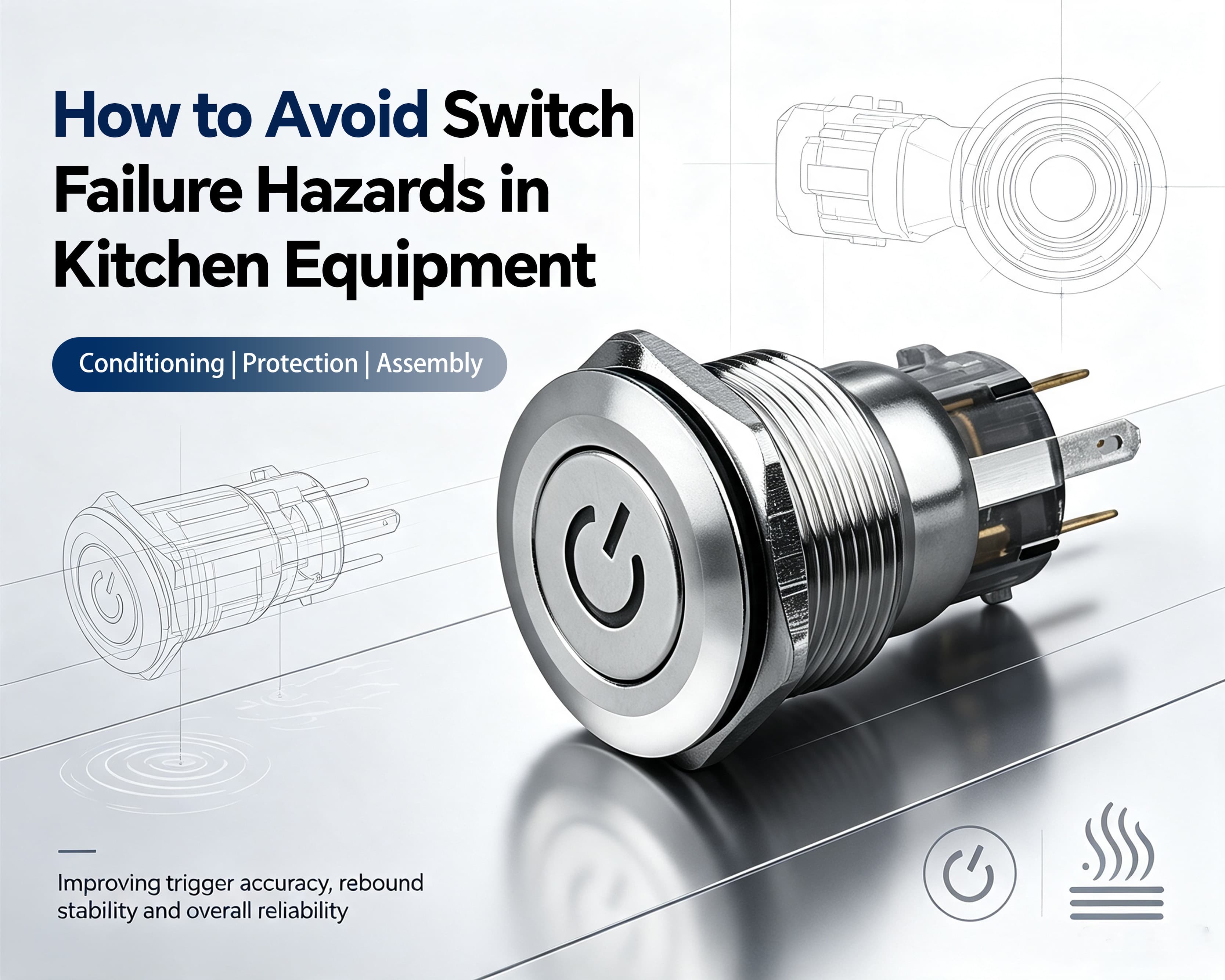
How to Eliminate Switch Failure Risks in Kitchen Appliances
Switch failures in kitchen appliances are mainly attributed to high temperatures, greasy steam, humid environments, and improper assembly or component mismatch. By optimizing component selection, structural protection and assembly processes, manufacturers can effectively mitigate switch sticking, poor contact and other common faults, improving the overall reliability of kitchen appliance products.
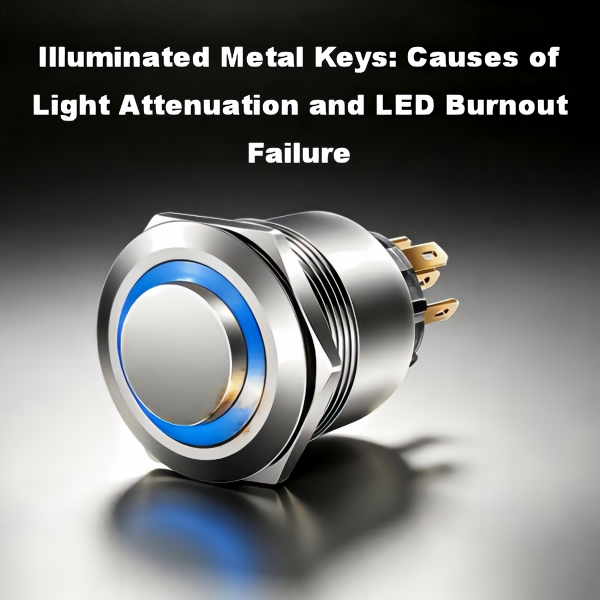
Illuminated Metal Keys: Causes of Light Attenuation and LED Burnout Failure
Light attenuation, flicker and LED burnout are common issues in mass-produced illuminated metal keys. These failures typically originate from mismatches in electrical parameter selection, circuit design, or sealing solutions for the intended operating environment, rather than defective LED bead quality.
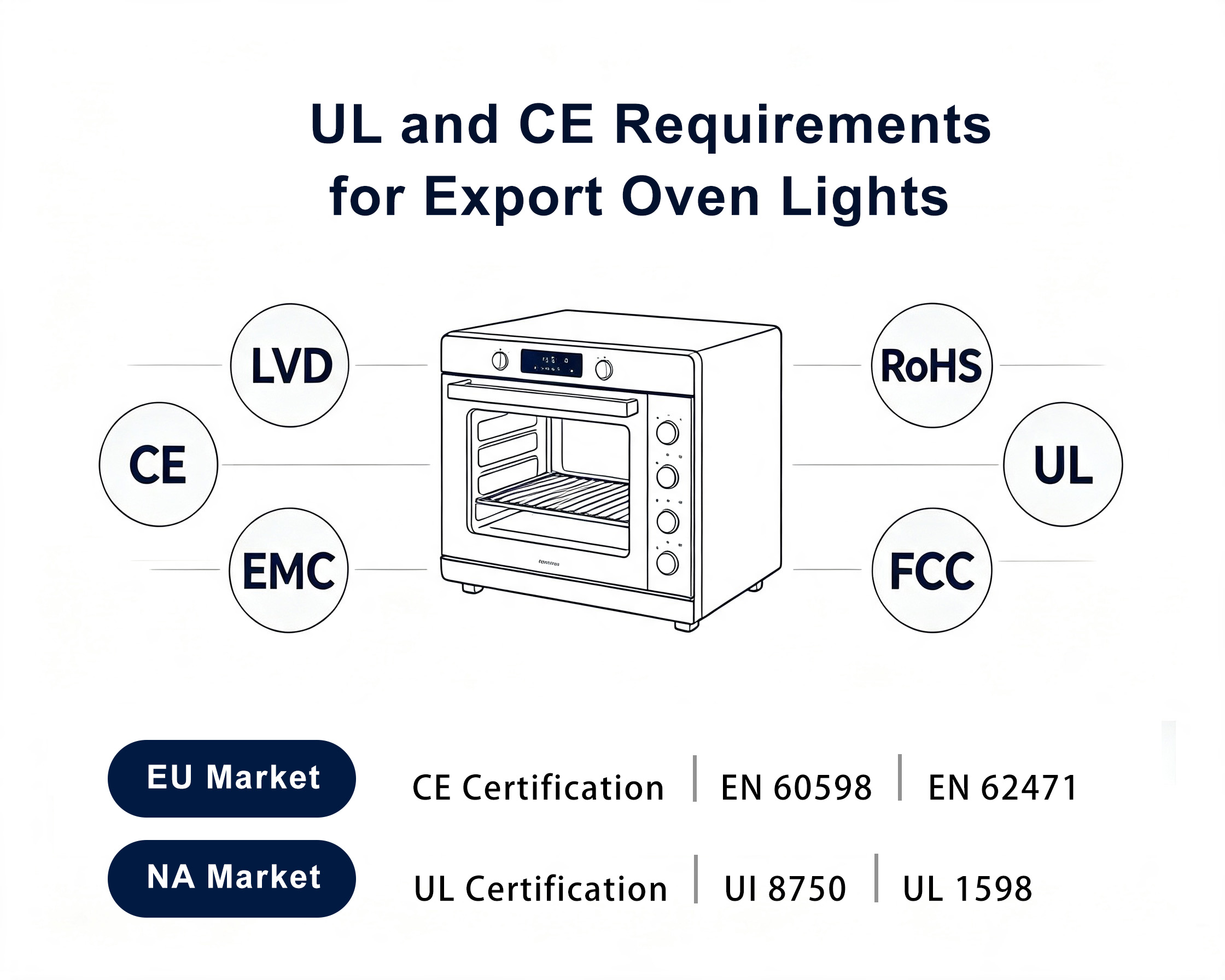
UL and CE Requirements for Export Oven Lights
Unlike ordinary household lighting, oven lights operate in high‑temperature enclosed conditions. UL and CE certifications are mandatory for European and North‑American exports.
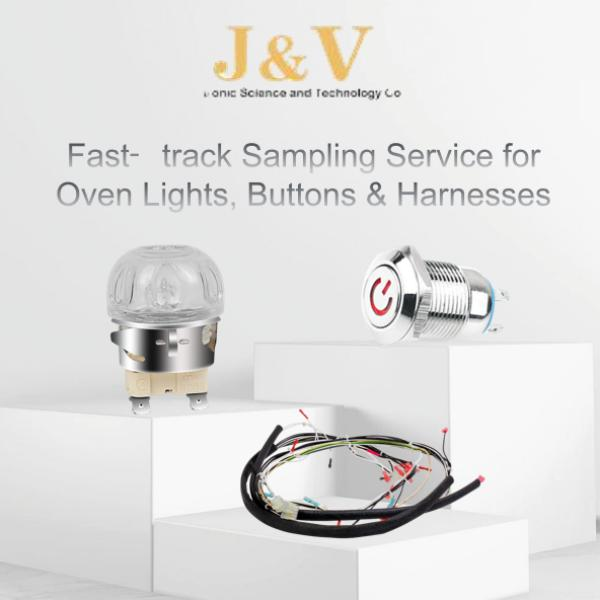
Fast‑track Sampling Service for Oven Lights, Buttons & Harnesses
Our flexible production lines deliver fast, customized small-batch sampling of oven lights, metal buttons and wire harnesses to accelerate your home appliance product R&D and validation.
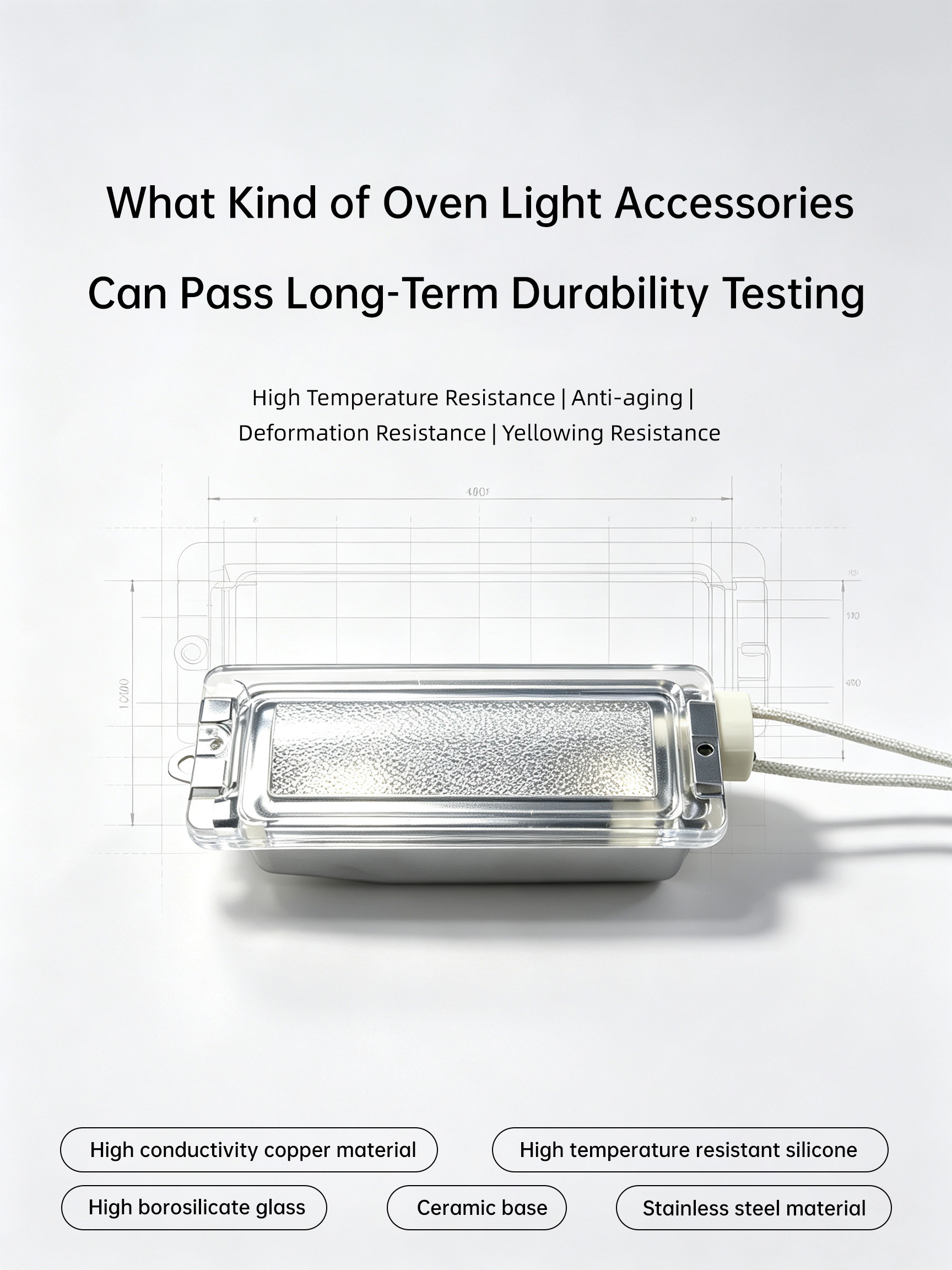
Which Oven Lamp Components Pass Long-Term Durability Tests
Standard material components easily yellow, crack, detach and age. Only special high-temperature resistant materials suit long-term high-temperature oven working environments.
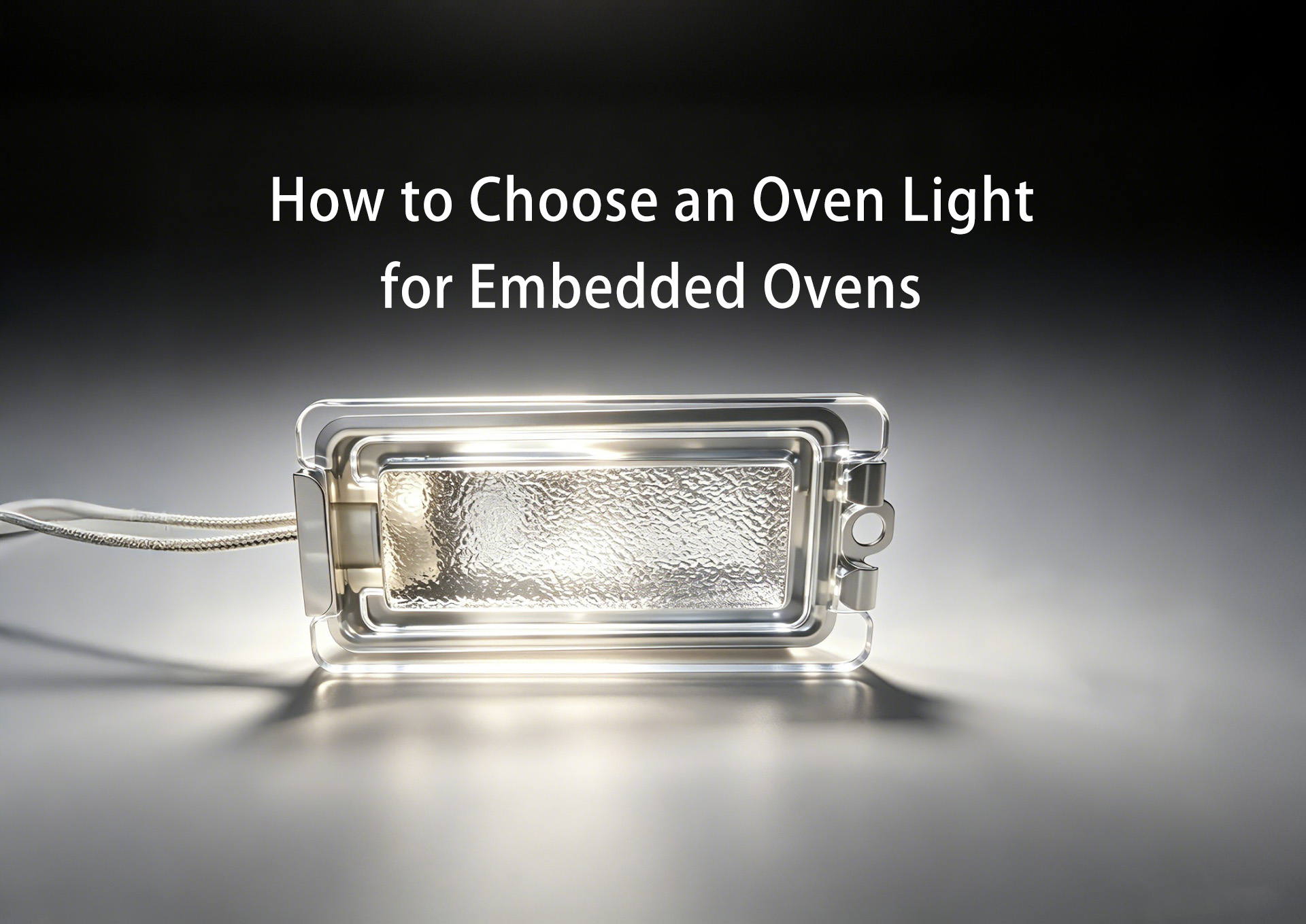
How to Select Lights for Built-in Ovens
Built-in ovens feature high temperatures, oil fumes and water vapour inside the cavity, which easily damage ordinary lights. When selecting oven lights, focus on temperature resistance, ingress protection, optical safety and compatibility. Selection based on practical model requirements can effectively avoid malfunctions and extend service life.
Analysis of Key Differences Between China RoHS and EU RoHS
With the enforcement of mandatory national standard GB 26572-2025, the compliance boundaries between China and EU regulatory systems have become clearer. Both systems currently regulate ten hazardous substances with identical limit values for homogeneous materials. Nevertheless, the two regulatory frameworks operate independently, and test reports and exemption documents are not mutually recognized across markets.
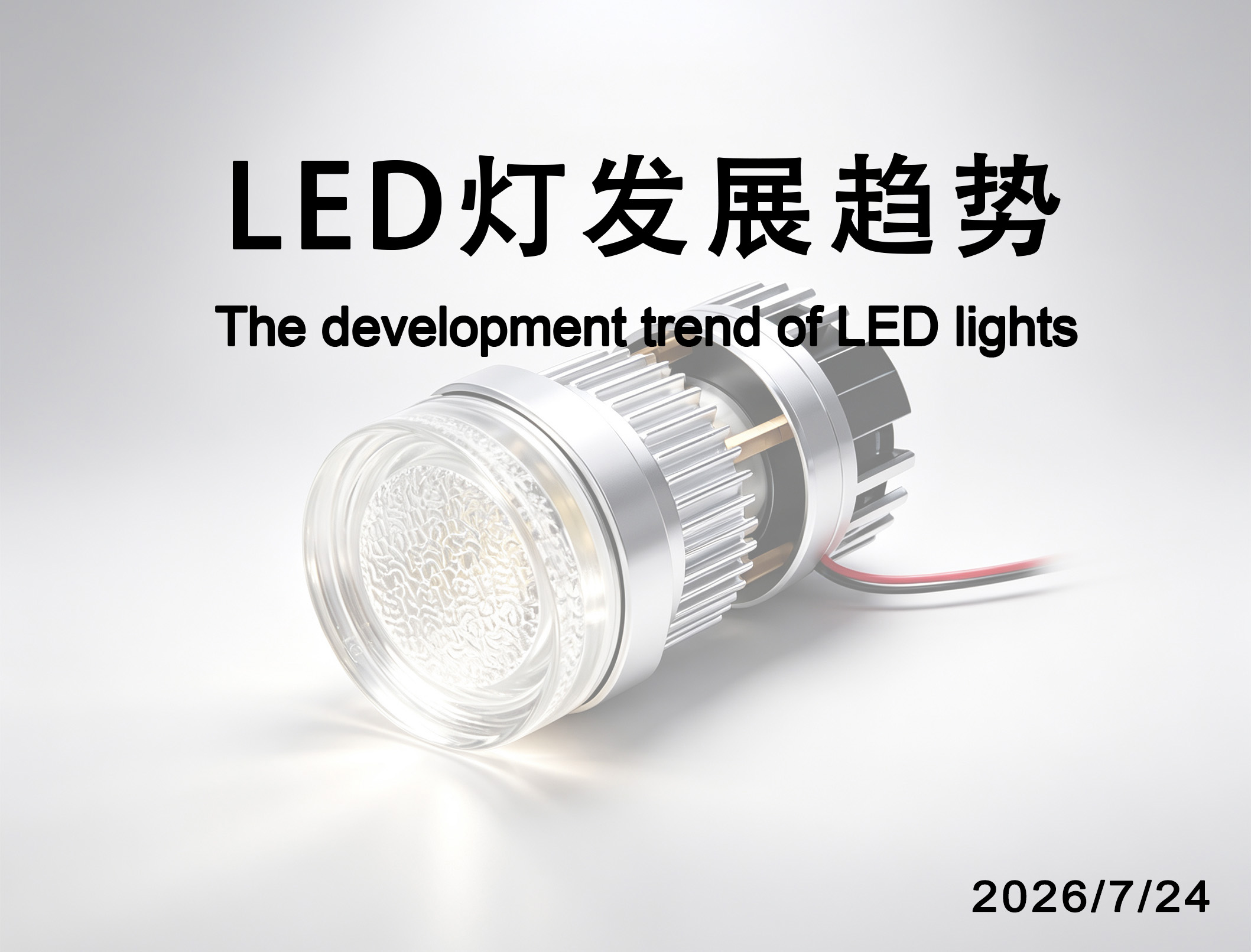
Four Core Development Trends of LED Kitchen Lights in Europe
With new EU regulations taking effect in 2026, LED lights for European kitchen appliances show four major trends: compliance, heat resistance, intelligence and customization.